An attorney should consider hiring a private investigator when the case depends on facts that pleadings, discovery, and public records cannot fully establish. Witnesses disappear. Claims conflict. Surveillance may be needed to document conduct. For counsel handling a matter near Downtown Orlando, bringing in investigative support early can reveal information that changes how the case is evaluated and pursued.
The decision should not wait until trial preparation exposes a factual gap that could have been investigated months earlier. Central Florida Process and Investigations supports attorneys, general counsel, insurers, and bail agents who need disciplined field investigation tied to a legal objective. For matters around Lake Eola, that may mean locating a witness, testing a claim against observable facts, or developing information beyond a database search. Contact Central Florida Process and Investigations at (407) 495-1550 for a confidential discussion about whether investigative support fits the matter.
A case connected to Winter Park may look straightforward on paper while important questions remain unanswered in the field. The right trigger is not simply whether a case is large or contentious. It is whether missing facts, unavailable people, disputed conduct, or unverified claims could materially affect legal strategy.
A key witness cannot be found
A witness who has moved, changed phone numbers, or stopped responding can become a serious problem when that person's testimony matters. Public records may produce possible addresses, but an investigator can go further by comparing records, developing current leads, and conducting lawful fieldwork.
Finding the person is only part of the task. A disciplined witness interview requires preparation, careful questioning, and accurate documentation. A law enforcement background can be useful here because interviewing is not simply a conversation. Details matter, inconsistencies matter, and so does knowing when not to push beyond what the facts support.
An alibi or claim needs independent verification
Attorneys regularly encounter competing versions of the same event. A party may claim to have been somewhere else, a claimant may describe limitations that become relevant to litigation, or a timeline may depend on activity that has not been independently confirmed.
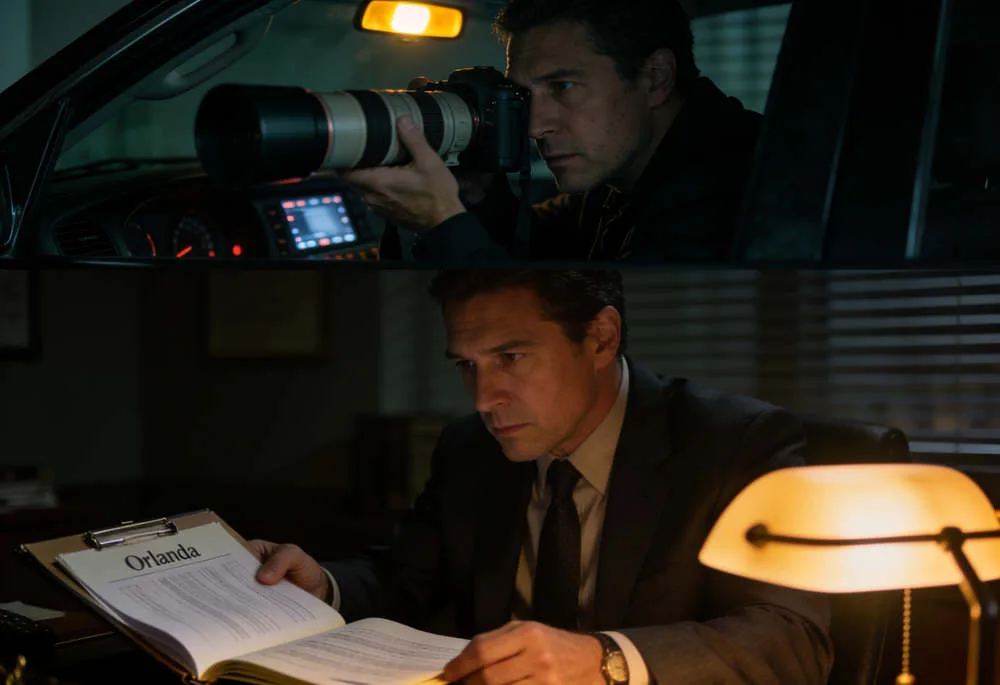
This is a common point for investigation & surveillance to become useful. Lawful surveillance can document observable conduct, locations, routines, or interactions when those facts are relevant to the matter. The objective is not to force a preferred narrative. It is to gather defensible information and let counsel assess what that information means for the case.
Public records have reached their limit
Databases are useful. They are not omniscient.
A records search may return old addresses, incomplete business connections, or several people with similar names. Some facts only become clear when an investigator compares records with field observations, interviews, or other lawful investigative methods. That distinction matters when counsel needs more than a possible lead.
Background work can also help identify inconsistencies that deserve closer attention. The investigator's role is to develop facts, document sources appropriately, and avoid turning speculation into a conclusion.
Potentially exonerating evidence may exist outside the file
A case file only contains what has already been collected. Sometimes the most important lead sits outside it: a witness no one interviewed, a location that was never examined, a record that points toward another explanation, or evidence that challenges an assumption made early in the matter.
This is one reason early investigative involvement can be more effective than a late rescue effort. Time changes evidence. Memories fade, businesses replace surveillance footage, people relocate, and physical conditions change. An investigator brought in early has more room to follow leads while they are still useful.
Litigation requires documented surveillance
Surveillance is not appropriate for every dispute, and it should never be treated as a fishing expedition. When observable conduct is legitimately relevant, however, disciplined surveillance can provide counsel with documented facts for evaluation.
The quality of that work depends on patience, lawful methods, accurate notes, and evidence handling. Poor surveillance can create more questions than it answers. A law enforcement background can strengthen situational awareness and field discipline, particularly when the assignment involves unpredictable movement or sensitive circumstances.
Investigation and service belong together in some cases
Some matters require both factual development and service of legal documents. Using one team capable of handling investigative work and process service can reduce handoffs and preserve continuity.
For example, an investigation may locate a previously unavailable subject and establish a current pattern of activity. A process server can then use that information to plan a lawful service attempt. Counsel does not have to explain the history to a second provider or risk losing context between the investigative and service phases.
Do not wait for a factual gap to become a crisis
The best time to consult an investigator is often when a specific unanswered question first becomes strategically important. That does not mean launching a full investigation on every file. It means identifying early whether a missing witness, disputed timeline, questionable claim, or incomplete background could alter the direction of the matter.
A short consultation may show that no investigation is needed. It may also reveal that waiting could make the assignment harder, more expensive, or less productive. Counsel should be able to define the question first: What fact do we need, why does it matter, and what lawful investigative method could help establish it?
Bring investigative support into the strategy early
Central Florida Process and Investigations can pair field investigation, surveillance, witness work, and service of process within the same matter when appropriate. That continuity gives legal teams a clearer path from identifying a factual problem to developing actionable information.
If your Orlando case has reached a point where the file no longer answers the questions that matter, call Central Florida Process and Investigations at (407) 495-1550 for a confidential discussion about investigative support before those gaps begin shaping the case for you.